
By Asaye Bankole
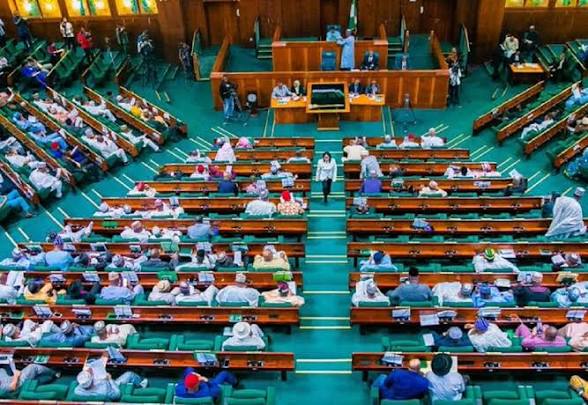
The House of Representatives has called for stricter food safety laws and stronger enforcement to protect Nigerians from toxic chemicals, adulterated food and unsafe agricultural practices.
The lawmakers warned that the indiscriminate use of chemicals in food production could worsen public health challenges, including malnutrition, food insecurity and kidney and liver diseases.
The House Committee on Nutrition and Food Security made the call during a media briefing in Abuja on Friday to commemorate the 2026 World Food Day, themed “Innovate Today, Nourish Tomorrow.”
Speaking through the committee’s clerk, Dr Agenti Milicent Millicent, the chairman, Chike Okafor, said Nigeria needed enforceable laws rather than policies that had failed to adequately address the country’s nutrition challenges.
“We have many policies, but few enforceable laws,” he said, stressing the need to guarantee access to safe, nutritious and affordable food for all Nigerians.
The committee disclosed that it was working on a bill to establish the Nutritionist Registration Council of Nigeria to regulate the profession.
It also said the proposed National Nutrition Bill, sponsored by the Presidency through the Office of the Vice-President, had reached an advanced stage.
The lawmakers further revealed that they were investigating the alleged misuse of agricultural intervention funds by agencies and programmes operating outside the Federal Ministry of Agriculture.
The investigation involves engagements with the Central Bank of Nigeria, the National Agricultural Development Board and other relevant agencies.
It also covers concerns surrounding agricultural interventions and the ginger blight outbreak that devastated production in parts of the country.
Speaking at the event, food safety advocate Dr Adebayo Segun called for a thorough investigation into agricultural programmes and the chemicals used in food production.
He also advocated organic farming and safer agricultural practices to protect public health.
The committee emphasised that tackling malnutrition and food insecurity required coordinated efforts by federal and state governments, lawmakers, farmers, researchers and other stakeholders.
It added that it had facilitated the establishment of nutrition and food security committees in 32 state Houses of Assembly to strengthen legislative action against hunger and malnutrition.
COMMENTS