
By Asaye Bankole
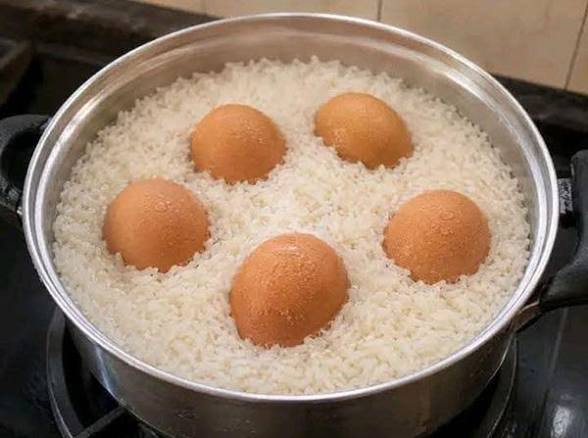
Registered dietitian-nutritionists have advised Nigerians to avoid cooking unwashed, unpeeled eggs together with rice in the same pot, warning that the practice could increase the risk of cross-contamination and foodborne infections.
The experts explained that harmful bacteria, including Salmonella and E. coli, may be present on eggshells and could be transferred to rice during the cooking process.
According to them, although high temperatures can destroy many bacteria, the period when water is gradually heating before reaching a full boil could provide an opportunity for some microorganisms to survive and potentially contaminate the food.
The warning follows renewed discussions on social media after some Nigerians shared experiences involving meals prepared by boiling eggs and rice together.
The practice is also common among some households seeking to reduce cooking time, water consumption, the number of utensils used and the amount of cooking gas required, particularly amid rising household expenses.
Speaking on the issue, a registered dietitian-nutritionist and public health practitioner, James Oloyede, said cooking eggs and rice in the same pot could create a pathway for bacteria on eggshells to come into contact with the rice.
Oloyede, a former Director of Nutrition Services and Health Education at the Osun State Primary Health Care Development Board, said the risk could remain even when the eggs had been washed.
He explained that rice begins absorbing water shortly after it is placed in a pot, meaning contaminated water could potentially be absorbed by the grains during the cooking process.
He also noted that eggshells can crack while boiling, allowing egg white or other contents to spill into the rice and potentially affect its appearance, taste and smell.
Oloyede said some people resort to cooking the two foods together because of the high cost of cooking gas, with some households placing eggs inside nylon before putting them in the pot of rice to prevent direct contact.
However, he maintained that cooking the foods separately remained the safest approach from a food-safety perspective.
He warned that the consequences of a foodborne infection could outweigh whatever savings a person might make from using less gas or spending less time in the kitchen.
According to him, illness caused by food contamination could lead to medical expenses, absence from work and loss of productivity, placing additional financial pressure on households.
Another registered dietitian-nutritionist, Charles Oguikpe, also cautioned against boiling eggs in the same pot with rice.
Oguikpe said contaminants on eggshells could be transferred to the rice, describing such transfer as cross-contamination.
He noted that bacteria such as Salmonella and E. coli could potentially cause symptoms including stomach cramps, diarrhoea and fever. In severe cases, foodborne infections may lead to more serious health complications.
According to him, some of the contaminants found on eggshells may originate from poultry droppings associated with the chickens that lay the eggs.
He added that washing eggshells does not necessarily guarantee the complete removal of all harmful microorganisms.
Oguikpe therefore advised Nigerians to cook rice and eggs separately and only remove the eggshells after the eggs have been properly boiled.
The nutritionists stressed that while combining the two foods may appear convenient and economical, food safety should remain a priority.
They advised households to adopt separate cooking methods as a precaution against possible cross-contamination and foodborne illness.
COMMENTS