
By Asaye Bankole
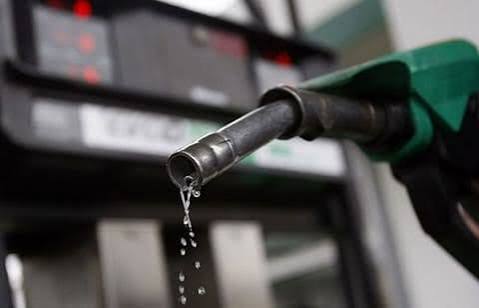
The Federal Government is set to introduce a new mechanism aimed at moderating fluctuations in petrol prices, with an initial proposal to place a ₦1,350 per litre ceiling on the ex-gantry or landing cost of the commodity.
The Minister of Finance and Coordinating Minister of the Economy, Taiwo Oyedele, made this known on Thursday during a briefing in Abuja on developments in the petroleum sector and the government’s approach to petrol pricing.
Oyedele said the proposed price-modulation system was designed to prevent sharp movements in petrol prices and create a more stable market for both consumers and operators in the downstream sector.
He clarified that the arrangement would not amount to a return to petrol subsidy or constitute direct price control by the government. Rather, it would operate as a mechanism through which costs could be managed when international market conditions push petrol prices above the agreed threshold.
Under the proposed framework, refineries and fuel importers would bear any additional cost whenever the landing price rises above ₦1,350 per litre. They would then be allowed to recover the difference at a later time when market conditions become more favourable.
The minister said the approach would help reduce the immediate impact of international oil-price fluctuations on Nigerian consumers while also giving refiners and importers greater certainty in their business planning.
In another measure aimed at improving price stability, Oyedele disclosed that the government was working on a possible forward-sale arrangement for crude oil supplied to domestic refineries.
He explained that refiners could be allowed to purchase crude oil at an agreed price over a specified period, giving them better control over their production costs and reducing uncertainty caused by fluctuations in global crude prices.
For instance, he said the government could agree to supply crude to domestic refiners at about $80 per barrel for six months. Such an arrangement, according to him, would allow refiners to prepare their budgets in advance while providing consumers with greater stability in the price of refined petroleum products.
Oyedele further noted that rising domestic crude production and the availability of previously committed crude could strengthen the proposed system and provide additional protection against volatility in the international market.
He said the government’s broader objective was to establish a sustainable petroleum pricing framework that would encourage domestic refining, improve market predictability and minimise sudden changes in petrol prices.
The proposed measures form part of the Federal Government’s continuing efforts to reform the downstream petroleum sector and reduce the effect of global oil-market volatility on Nigerian consumers.
COMMENTS