
By Asaye Bankole
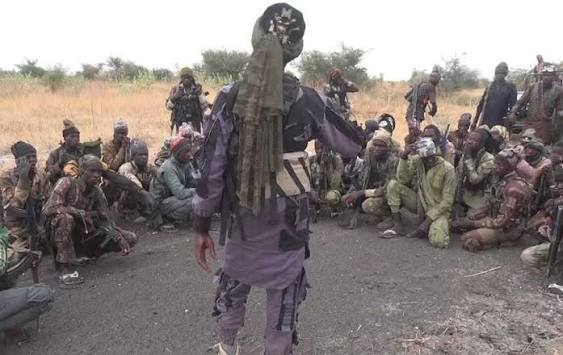
The Nigerian government has reportedly entered into a secret three-month ceasefire agreement with Boko Haram, in what could represent a temporary reduction in hostilities in the country’s troubled northeast.
According to an investigation by The New Humanitarian, the reported truce began in June following negotiations that resulted in the release of 360 villagers abducted from Ngoshe, a community located near the Mandara Mountains along Nigeria’s border with Cameroon.
Three individuals with contacts within Boko Haram, including some senior members of the group, reportedly confirmed independently that the ceasefire had been in place since June.
The sources also indicated that the arrangement could be extended by another 40 days.
Two of the sources said attacks had stopped in communities around Ngoshe, areas that have repeatedly come under attack by Boko Haram.
Truce Follows Mass Abduction
The 360 villagers were reportedly kidnapped in March after Boko Haram attacked a nearby military base.
The negotiations that eventually secured their release allegedly involved a payment of five billion naira, estimated at about $3.7 million, by the Nigerian government.
The reported payment has generated controversy, with Nigerian authorities denying that any ransom was paid for the release of the villagers.
The New Humanitarian said it contacted government, defence and military officials for confirmation of the alleged ceasefire but did not receive a response before publication.
The reported agreement has not been independently verified by Newsmen, including the allegation that the government paid money to secure the villagers’ release.
The reported truce also does not involve Islamic State West Africa Province (ISWAP), a rival armed group active across northeastern Nigeria and the wider Lake Chad region. Fighting between Boko Haram and ISWAP has reportedly continued.
Government Maintains Public Opposition to Talks
The reported ceasefire comes despite the Nigerian government’s public position that it will not negotiate with Boko Haram, which Nigerian authorities designate as a terrorist organisation.
President Bola Tinubu has instead prioritised strengthening the country’s military capabilities in the fight against armed groups. In July, he announced plans to recruit an additional 30,000 personnel and establish four new army divisions.
However, The New Humanitarian reported that behind-the-scenes efforts to establish dialogue with Boko Haram have continued, citing security officials, diplomats and mediators familiar with previous attempts.
Several earlier efforts to negotiate ceasefires have reportedly collapsed.
Conflict researcher Malik Samuel cautioned that the latest reported agreement should not automatically be regarded as the beginning of a permanent peace process.
He said the arrangement could simply be a temporary tactical pause that serves the interests of both sides without significantly changing the broader course of the conflict.
There are also concerns that Boko Haram could use the period of reduced fighting to strengthen its position.
Two sources reportedly warned that the group could take advantage of the pause to move equipment into the Mandara Mountains.
Boko Haram has waged an insurgency in northeastern Nigeria and neighbouring countries around the Lake Chad region since 2009.
The group has since splintered into several factions, while ISWAP has emerged as a separate and rival armed organisation.
COMMENTS