
By Asaye Bankole
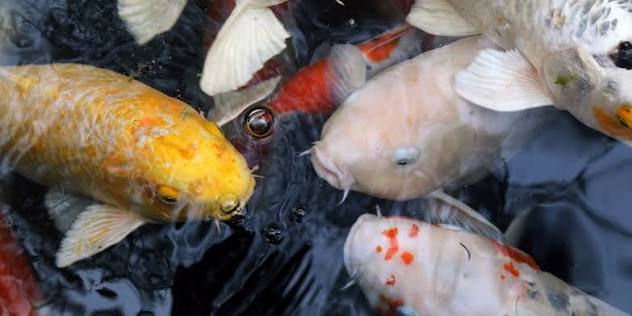
The United Kingdom has confirmed an outbreak of Koi herpesvirus disease (KHV) at a fish-growing facility in Aspley Guise, Milton Keynes, prompting authorities to impose statutory controls aimed at preventing the spread of the disease.
The Fish Health Inspectorate (FHI) confirmed the outbreak on September 10 at a fish-growing facility located at Tree Farm, Aspley Guise, according to a statement released by the UK Government on Monday.
The Centre for Environment, Fisheries and Aquaculture Science (Cefas), which issued the statement, described KHV as a serious viral disease affecting fish and one of the diseases officially listed for regulatory control in the United Kingdom.
The disease primarily affects common and ornamental carp species, scientifically known as Cyprinus carpio, and can cause significant fish deaths, particularly under favourable conditions for the virus.
According to the authorities, infected fish may develop symptoms including white or brown patches on their gills, damaged or roughened skin, excessive mucus and sunken eyes.
These signs are more commonly observed when water temperatures range between 16°C and 28°C.
Despite the seriousness of the disease among fish populations, the UK Government stressed that the outbreak poses no risk to public health.
Authorities have advised fish owners and operators to immediately contact the Fish Health Inspectorate if they suspect an outbreak, especially where carp or carp hybrids begin dying or display symptoms associated with KHV.
Facilities affected by the disease are required to enter a formal monitoring programme immediately after an outbreak is confirmed.
FHI officials will inspect affected sites to identify evidence of the disease and ensure compliance with statutory measures introduced to contain it.
As part of the control measures, restrictions have been placed on the movement of aquatic animals into, out of or within the designated area.
Operators are prohibited from moving aquatic animals, including fish eggs and gametes, without prior written approval from the FHI.
The authorities have also directed that dead aquatic animals, eggs and gametes must be disposed of using approved methods for Category 2 animal by-product waste and in accordance with local environmental health requirements.
The FHI must be notified immediately if fish deaths recur or spread to other waters or facilities within the affected area.
Operators are also required to notify the inspectorate in advance of proposed physical changes to affected sites, including alterations to site boundaries, the number or size of water bodies, or changes in how the facilities are used.
Requests for the required permissions must be submitted to the FHI at least five working days before the proposed activity.
The UK Government explained that statutory controls are introduced whenever laboratory testing confirms KHV at a facility, with the primary objective of limiting transmission to other fish populations and facilities.
KHV outbreaks have been subject to statutory controls in the UK since 2007, while the country continues to operate a surveillance programme to monitor the disease.
When an outbreak is confirmed, authorities may introduce a range of measures, including movement restrictions on susceptible fish species, enhanced biosecurity procedures, the culling of infected fish, and the cleaning and disinfection of affected premises.
Koi herpesvirus disease is listed under the Aquatic Animal Health (England and Wales) Regulations 2009.
The authorities have urged fish owners, breeders and operators to maintain strong biosecurity measures and take preventive steps to reduce the risk of introducing or spreading KHV to other fish populations.
COMMENTS