
By Asaye Bankole
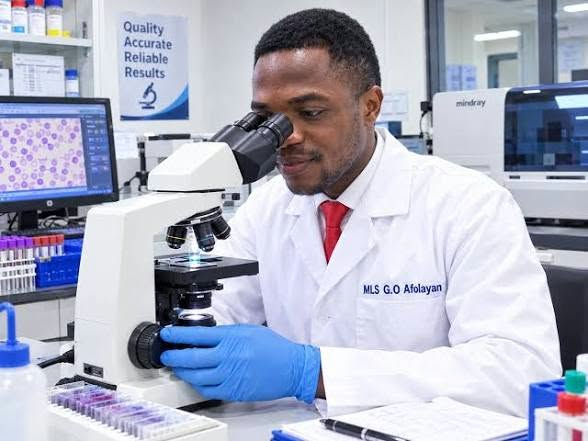
A Professor of Medical Parasitology at the University of Lagos, Wellington Oyibo, has advised Nigerians against taking antimalarial drugs without first undergoing proper laboratory tests to establish whether they have the disease.
Oyibo warned that the widespread practice of treating every fever as malaria could result in inappropriate medication, delayed diagnosis of other illnesses and, in some cases, preventable deaths.
The medical expert explained that fever was a symptom associated with several health conditions and should not automatically be interpreted as evidence of malaria.
He gave the warning on Thursday during a capacity-building programme for laboratory personnel in Ogun State, where 44 healthcare professionals drawn from different local government areas received specialised training in the diagnosis of malaria and tuberculosis.
Oyibo stressed that patients should insist on proper medical investigations before commencing treatment, noting that taking antimalarial drugs without confirmation could lead to unnecessary expenses and prevent patients from receiving appropriate medical attention.
According to him, several other diseases can produce symptoms similar to malaria, making laboratory confirmation essential for effective treatment.
He said, “If you assume that every fever is malaria, you are wasting money, delaying treatment and delaying the appropriate intervention
Other diseases can present with similar symptoms, and patients may continue to suffer because they are receiving medication for an illness they do not have.”
The professor urged Nigerians to make laboratory testing a priority whenever they experience symptoms associated with malaria rather than resorting to self-medication.
Oyibo, who also serves as Director of the Centre for Transdisciplinary Research in Malaria and Neglected Tropical Diseases, noted that changes in malaria infection patterns had made accurate diagnosis increasingly important.
He explained that the training programme was organised to improve the competence of laboratory professionals, strengthen diagnostic services and expand access to reliable testing, particularly in rural communities where healthcare facilities may be limited.
The initiative was supported by the Global Fund in collaboration with the National Malaria Elimination Programme.
Providing an overview of the country’s progress in malaria control, Oyibo disclosed that national malaria prevalence had reportedly declined from 42 per cent in 2010 to 15 per cent.
He also put Ogun State’s malaria prevalence at six per cent, compared with approximately 22 per cent previously.
However, the specific periods and sources of the figures were not provided.
Also speaking at the programme, a representative of the National Malaria Elimination Programme, Dr Simon Ijezie, emphasised the need to strengthen laboratory-based diagnosis as part of efforts to sustain the country’s progress in combating malaria.
Ijezie explained that the declining prevalence of malaria made it increasingly necessary for healthcare workers to investigate other possible causes of fever rather than automatically prescribing antimalarial medications.
He noted that accurate diagnosis would help patients with non-malaria-related illnesses receive appropriate treatment while reducing the unnecessary use of antimalarial drugs.
He reaffirmed the programme’s commitment to sustaining the gains recorded through targeted interventions, improved diagnostic services and continued public health awareness.
Similarly, the College Secretary of the College of Nursing, University of Lagos, Dr Olayinka Obafemi-Moses, described the training as an important step towards strengthening medical research, improving laboratory capacity and enhancing disease management in Nigeria.
He explained that participants would acquire practical microscopy skills to enable them to identify malaria parasites and improve the accuracy of tuberculosis diagnosis.
Obafemi-Moses welcomed the inclusion of tuberculosis in the training, describing it as a valuable development that would strengthen the country’s response to infectious diseases.
He added that the initiative had also been extended to several other states as part of broader efforts to improve healthcare delivery and diagnostic standards.
The nursing education expert further cautioned Nigerians against self-medication, particularly the habit of purchasing malaria drugs whenever they experience fever, headaches or other symptoms without establishing the actual cause.
The World Health Organisation recommends that suspected malaria cases be confirmed through laboratory microscopy or rapid diagnostic tests before antimalarial treatment is administered.
It also advises that patients who test negative for malaria should be properly assessed for other possible causes of fever to ensure that they receive the right treatment.
Health experts say improved access to laboratory testing, public awareness and responsible medication practices remain essential to reducing malaria-related complications and preventing the misuse of drugs.
COMMENTS